Rainbow Lorikeet
Trichoglossus moluccanus
Bright blue, green, orange and yellow plumage, a curved bill and energetic social behaviour make this one of Australia's most recognisable parrots. Flowering trees are a good place to look.
Birdologies is a simple guide to Australian birds for curious beginners, backyard birdwatchers and anyone wondering, βWhat bird did I just see?β Explore identification clues, common species, behaviour, habitats, original videos and free bird activities.
Birdologies introduction β original Australian bird video.
Start with the clues you remember. Colour, size, shape, habitat, location and behaviour can all help narrow down an Australian bird identification.
A practical starting collection for visitors learning to recognise Australian birdlife.

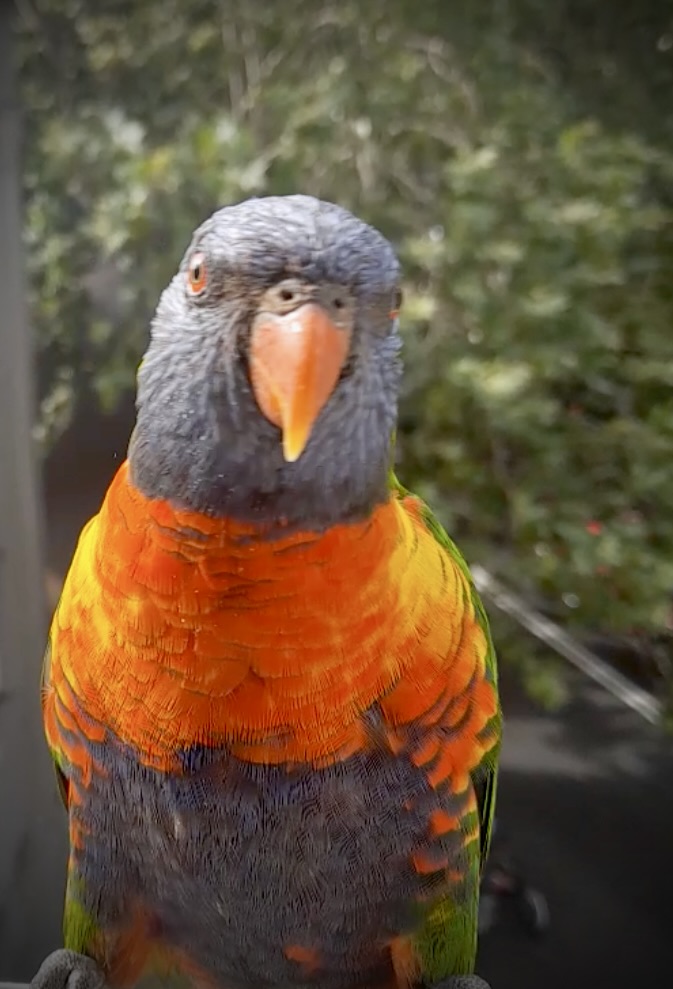
Trichoglossus moluccanus
Bright blue, green, orange and yellow plumage, a curved bill and energetic social behaviour make this one of Australia's most recognisable parrots. Flowering trees are a good place to look.

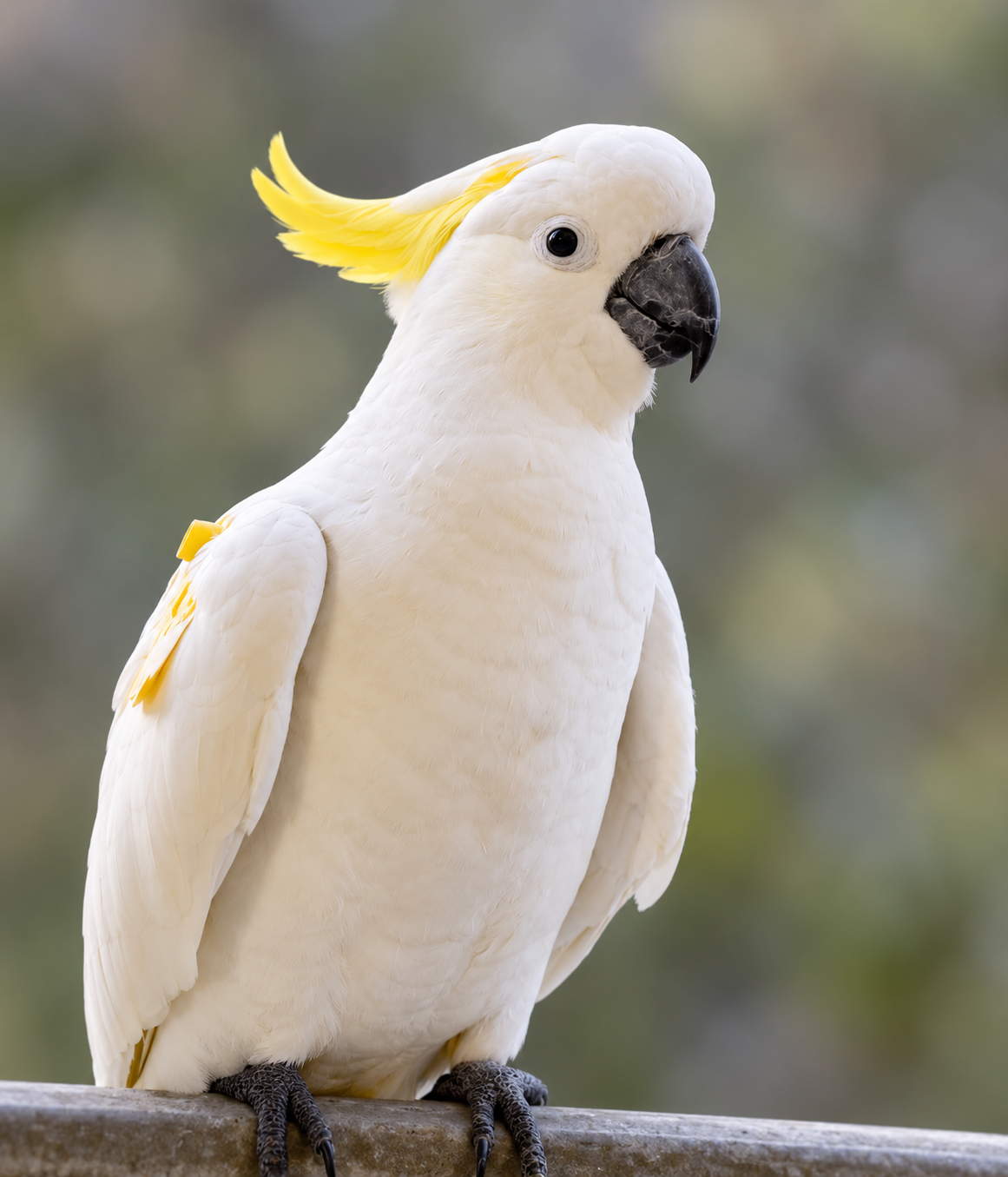
Cacatua galerita
A large white cockatoo with a conspicuous yellow crest and dark curved bill, often encountered in parks, gardens and open woodland.

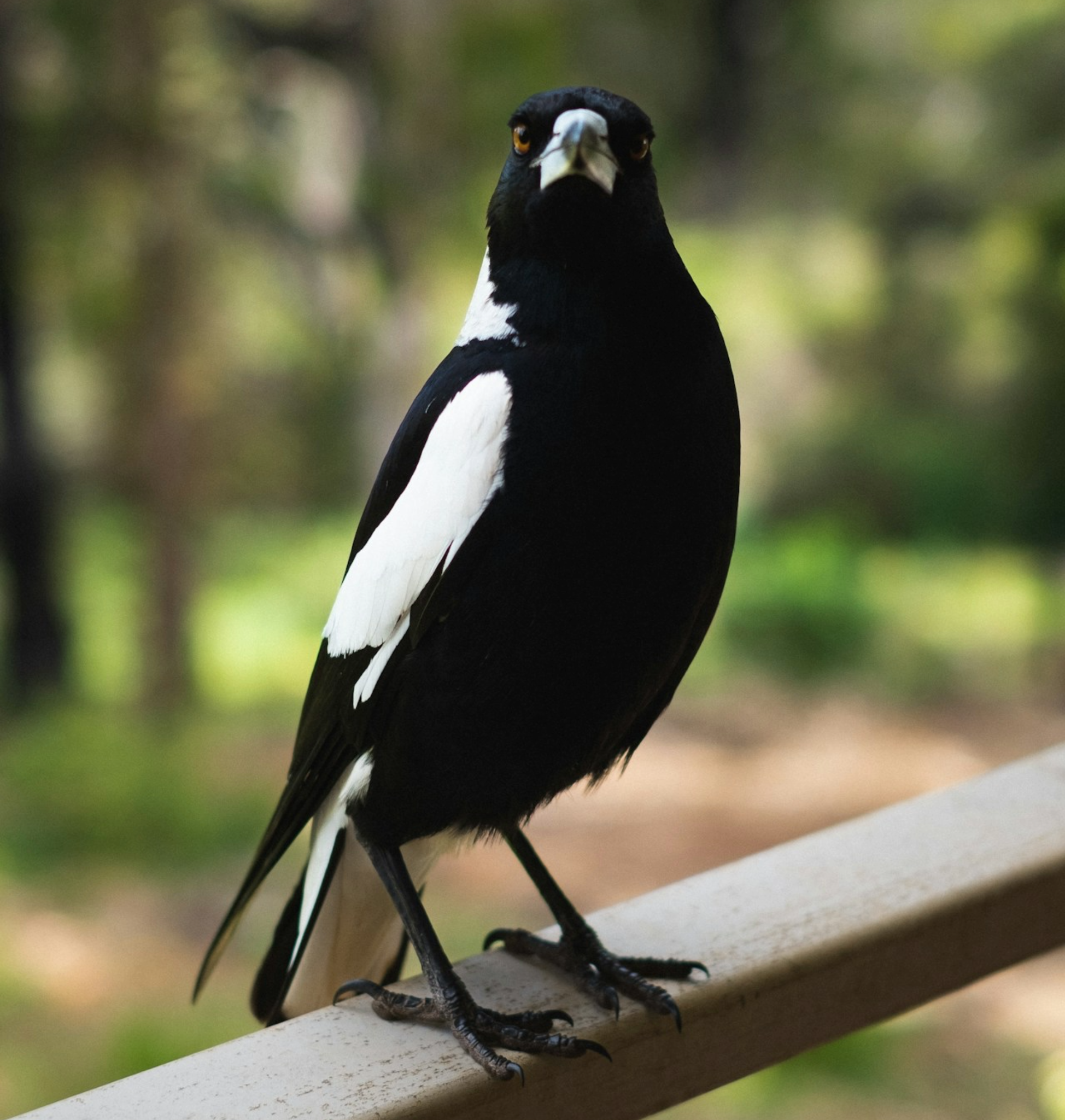
Gymnorhina tibicen
A familiar black-and-white bird with a strong bill and rich musical calls, frequently seen foraging on lawns and open ground.

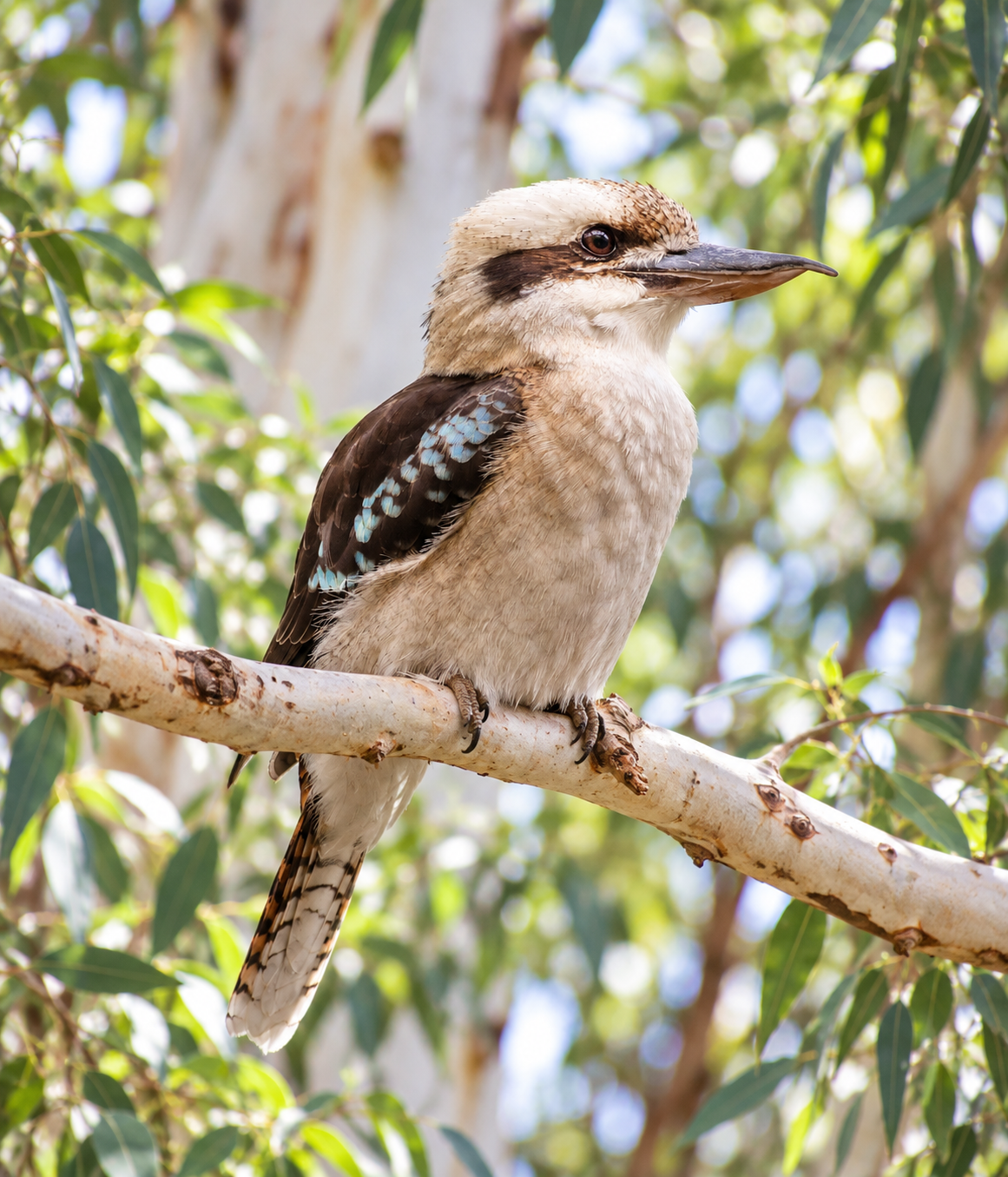
Dacelo novaeguineae
A large kingfisher with a heavy bill, brown-and-white plumage and a famous laughing territorial call.

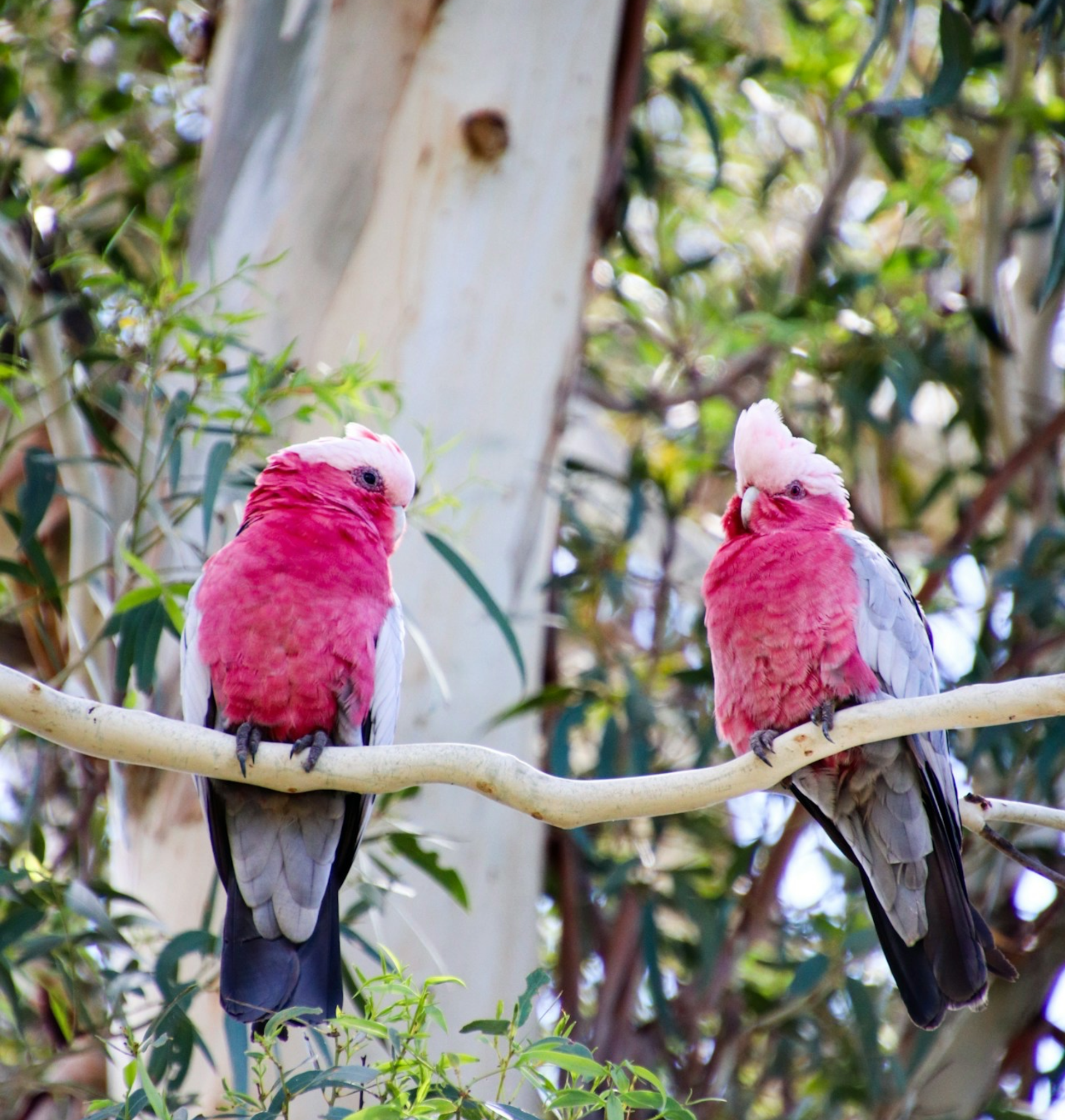
Eolophus roseicapilla
Recognisable by its pink face and breast, pale crown and grey wings. Galahs are social and commonly seen in open areas.

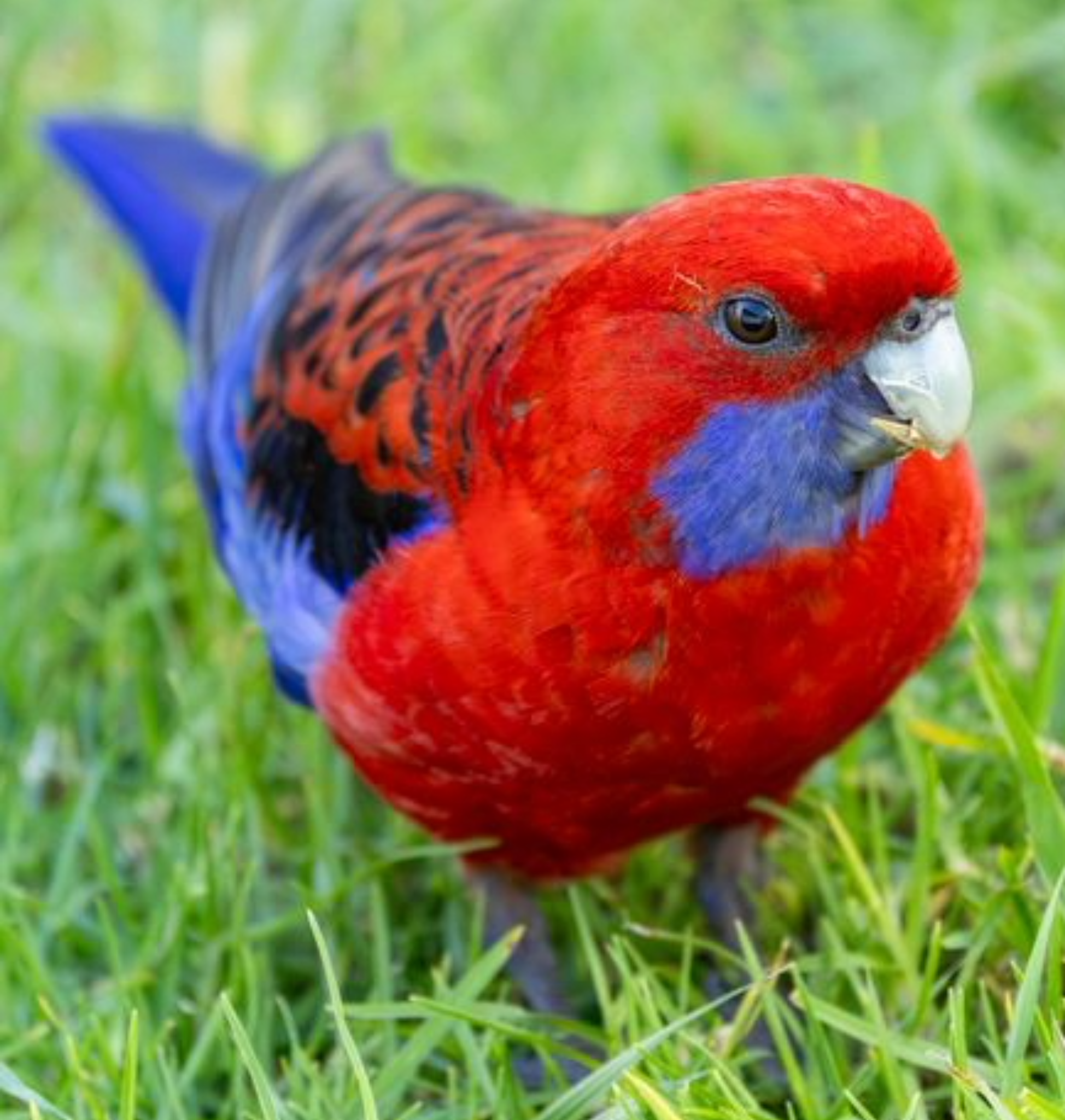
Platycercus elegans
A striking rosella known for rich red plumage and blue cheek patches, wings and tail. Location and pattern help with identification.
Colour is an easy first clue. Combine it with size, shape, location and behaviour.
Habitat can narrow an identification quickly. Notice whether the bird was in a suburban garden, flowering tree, woodland, grassland, wetland, waterway or coastal environment.
Record the suburb or region and time of year too. These details can make future Birdologies species guides more useful.
Behaviour often reveals as much as colour. Notice how a bird feeds, moves, calls and interacts.
Nectar feeding, ground foraging, seed eating and hunting can narrow the possibilities.
Listen for musical songs, harsh screeches, repeated notes, chatter or territorial calls.
Does it hop, walk, climb, glide, fly rapidly or spend long periods perched?
Some birds appear alone or in pairs, while others gather in noisy flocks.
These are strong topics for future individual Birdologies comparison guides.
Compare body shape, head pattern, colour placement, feeding behaviour and location.
Compare crest colour, facial markings, bill shape, proportions and flock behaviour.
Size, black-and-white pattern, bill, calls and behaviour provide useful clues.
Rainbow, Scaly-breasted, Musk and Little Lorikeets differ in size, markings, colours and range.
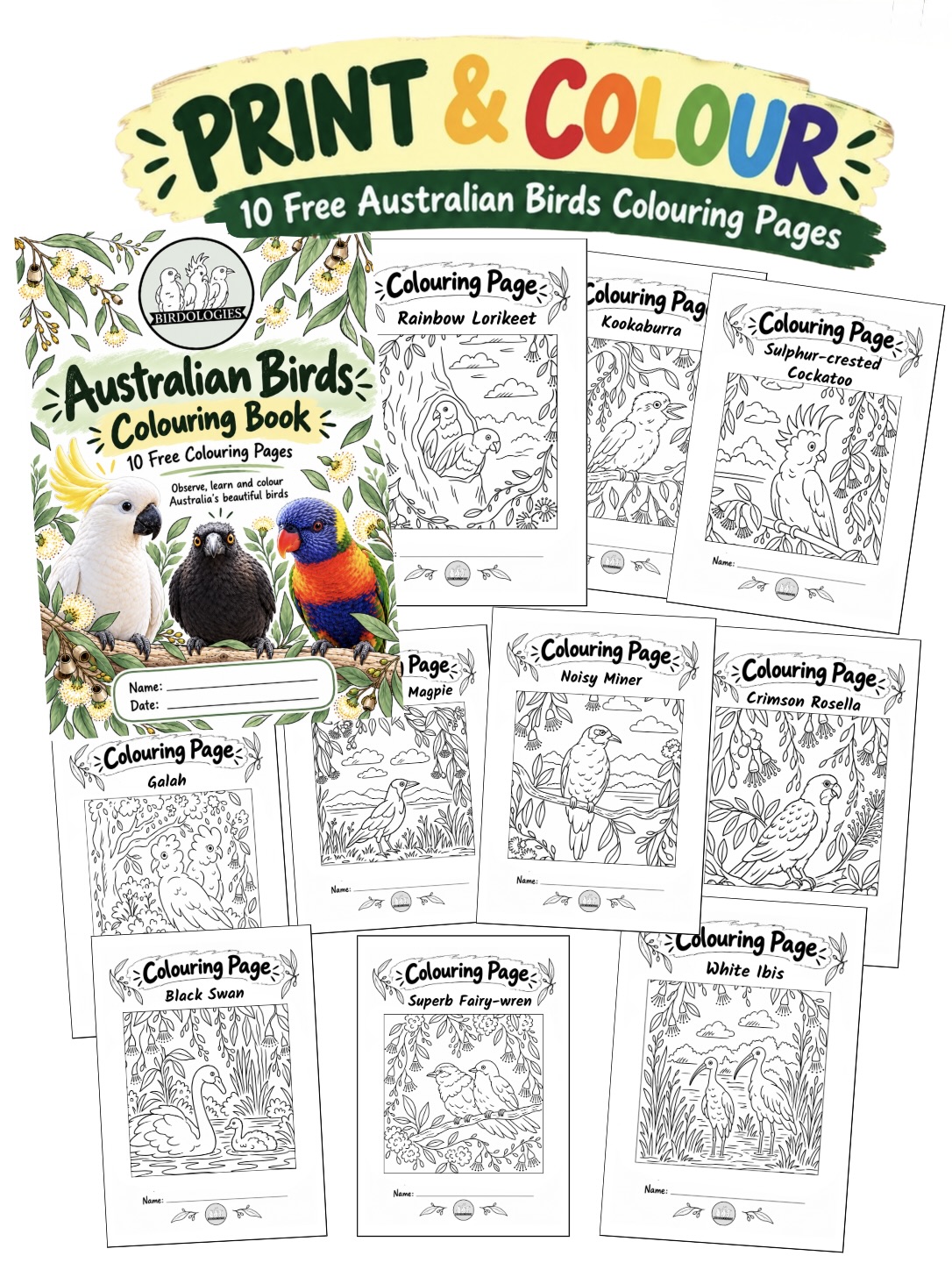
Turn bird discovery into something creative. Download free Birdologies colouring pages and compare the markings with real Australian birds.
Get Free Colouring Pages
Free activities can introduce children, families and creative adults to familiar Australian birds while giving visitors a reason to save and revisit Birdologies.
Explore T-shirts and bird-inspired products after discovering the birds. Birdologies stays education-first while the store provides an optional next step for lorikeet lovers.

Colourful designs celebrating Rainbow Lorikeets and their personality.

Practical bird-inspired designs for everyday use.

Small colourful gifts for readers and bird lovers.

Stickers, keychains and other lorikeet-themed products.
Record several clues: size and shape, colours and markings, bill shape, habitat, location, behaviour and calls. Combining clues is more reliable than using one feature.
Look for a medium-sized, highly colourful parrot with a blue head, green wings and back, and warm orange-yellow colouring across the breast. Flocking and feeding around flowering trees add useful clues.
Lorikeets are specialised nectar and pollen feeders and frequently visit flowering trees. They also consume fruit and other plant foods.
Note the date, place, habitat, approximate size, colours, distinctive markings, behaviour and call. A respectful photograph or recording can help.
Usually not. Lighting, age and variation can change appearance, and unrelated species may share colours. Combine colour with other clues.
For deeper identification, conservation and citizen-science information, consult established bird resources too.
Birdologies combines approachable identification information, original bird video, creative activities and a love of familiar Australian birds. The guide can grow species by species while remaining simple to navigate.